



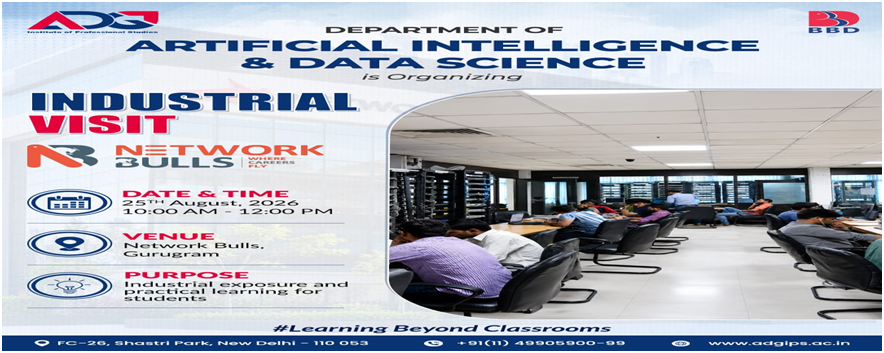
Organized By: Department of Artificial Intelligence & Data Science
Title: Industrial Visit to Network Bulls, Gurugram
Institution Visited: Network Bulls, Gurugram
Date & Time: 25th August 2026, 10:00 AM onwards
Venue: Network Bulls, SCO-9, 10, 11, 12, 2nd & 3rd Floor, Above Vishal Mega Mart, Old Delhi Road, Sector-14, Gurugram, Haryana
Introduction
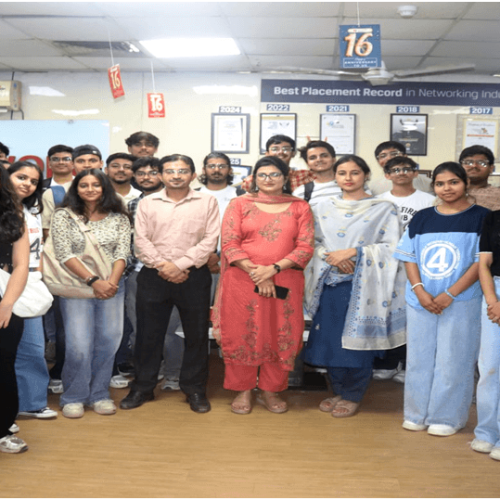
The Department of Artificial Intelligence & Data Science (AI&DS) organized an industrial visit to Network Bulls, Gurugram, on 25th August 2026 at 10:00 AM. The visit was planned to provide students with practical exposure to computer networking, network security, IT infrastructure, and industry-oriented technical training.
Network Bulls is an IT networking and cybersecurity training organization headquartered in Gurugram. It provides training in areas such as enterprise networking, security, data centre technologies, collaboration, and related Cisco certification tracks.
The visit enabled students to connect classroom concepts with practical networking environments and understand how networking technologies are implemented, monitored, secured, and troubleshot in professional settings.
Students were introduced to practical learning environments, networking laboratories, industry practices, and career-oriented pathways. The interaction helped them understand the importance of technical skills, hands-on practice, professional certifications, and continuous learning in the IT networking domain.
The industrial visit therefore served as an effective bridge between academic learning and industry requirements, particularly for students interested in networking, cybersecurity, cloud infrastructure, network automation, and related technology domains.
Objectives of the Visit
The primary objectives of the visit were:
- To understand fundamental and advanced concepts of computer networking through practical exposure.
- To observe real networking devices, laboratory infrastructure, and industry-oriented training environments.
- To gain awareness of network security concepts, common security practices, and the importance of protecting networked systems.
- To understand the role of routing, switching, IP addressing, network troubleshooting, and network infrastructure in real-world applications.
- To familiarize students with industry certifications, skill-development pathways, and career opportunities in networking and cybersecurity.
- To encourage students to develop practical, problem-solving, troubleshooting, and professional skills required in the IT industry.
About Network Bulls
Network Bulls is an IT networking and cybersecurity training organization founded in 2009, with its head office in Gurugram. The organization provides technical training and practical learning opportunities for students and professionals in networking and related technology areas.
Its major training and technical areas include:
Enterprise Networking – Training and practical exposure related to routing, switching, network design, and enterprise network implementation.
Network Security – Introduction to network protection, security technologies, cyber threats, and security-oriented practices.
Data Centre Technologies – Exposure to networking concepts and infrastructure associated with data centre environments.
Network Automation – Introduction to automation concepts and technologies used to improve the management and operation of modern networks.
Cisco Technologies and Certifications – Training pathways covering Cisco-oriented technologies and certification tracks such as CCNA, CCNP, and CCIE.
Network Bulls emphasizes hands-on learning through networking laboratories and practical environments. Its Gurugram campus includes Cisco networking laboratories equipped with networking devices, supporting practical skill development and industry-oriented learning.
Summary of the Visit
4.1 Orientation and Introduction
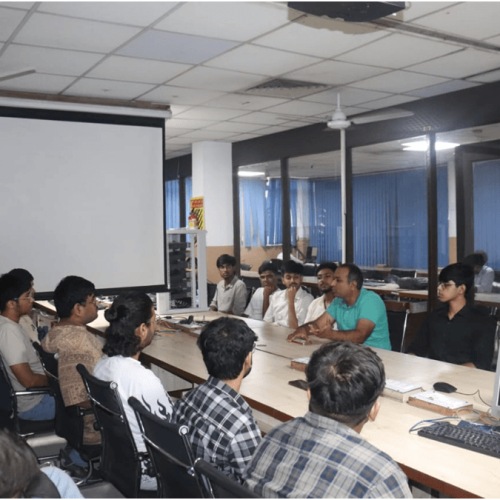
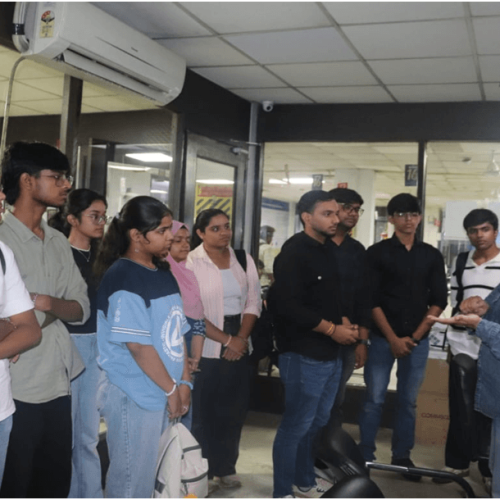
The visit commenced with an introductory session in which students were familiarized with Network Bulls, its role in technical training, and the importance of networking skills in the IT industry. The session highlighted the difference between theoretical understanding and practical implementation of networking concepts.
Students were encouraged to strengthen their technical fundamentals through laboratory practice, troubleshooting exercises, industry certifications, and continuous exposure to current networking technologies.
4.2 Networking Laboratory Exposure
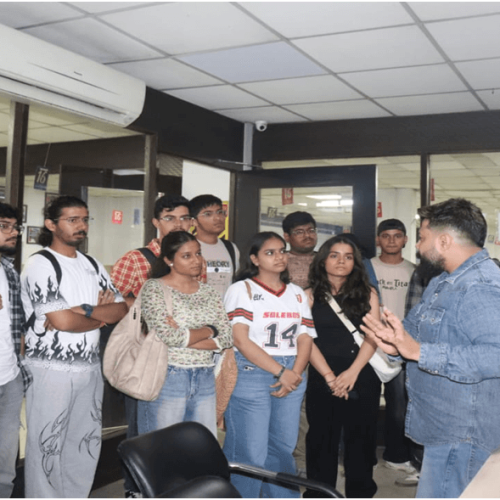
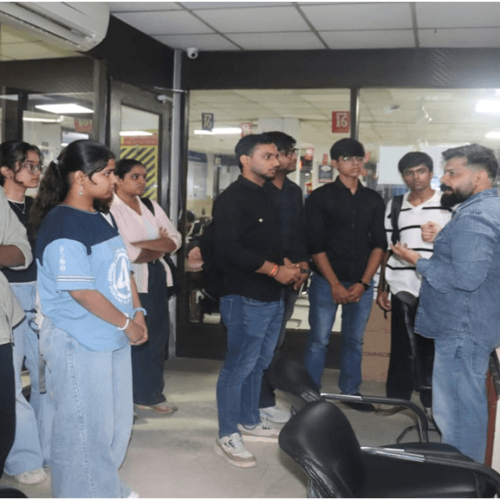
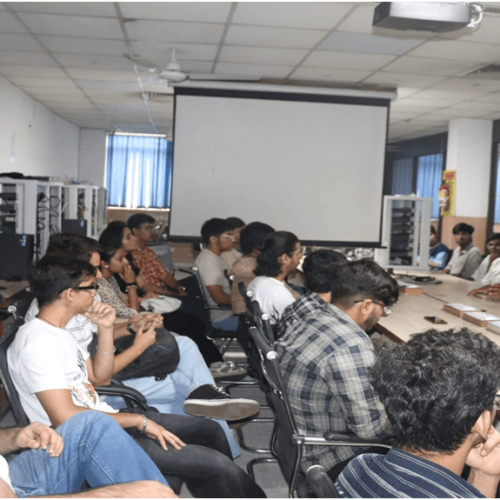
Students were introduced to practical networking environments and were given exposure to networking equipment and laboratory infrastructure. The demonstrations helped students understand how theoretical networking concepts are implemented using physical devices and practical configurations.
Routing and Switching – Introduction to the operation of routers and switches and their importance in communication between network segments.
IP Addressing and Network Configuration – Understanding the role of IP addresses and basic configuration concepts in establishing network communication.
Cisco Networking Devices – Exposure to real networking equipment used for practical learning and professional training.
Network Troubleshooting – Understanding the systematic approach used to identify connectivity and configuration-related problems in a network.
Network Security – Introduction to the importance of securing network infrastructure and protecting systems from common cyber threats.
Data Centre and Enterprise Infrastructure – Awareness of how networking components work together to support larger enterprise and data-centre environments.
The practical exposure helped students relate concepts studied in computer networks and data communication with real-world infrastructure and professional networking practices.
4.3 Interaction and Industry Insights
During the visit, students gained insights into the skills expected from networking professionals. The interaction emphasized practical competence, troubleshooting ability, professional certifications, and familiarity with current networking technologies.Importance of hands-on practice in networking and network configuration.Role of routing and switching in enterprise communication systems.
Importance of network security, monitoring, and systematic troubleshooting.Career opportunities and professional certification pathways in networking and cybersecurity.
4.4 Career and Skill Development Session
The session also provided students with awareness of career-oriented learning in networking and cybersecurity. Students were encouraged to develop practical skills through laboratory work, projects, certifications, and continuous technical practice. The discussion helped students understand how specialized networking knowledge can support careers in network administration, network engineering, cybersecurity, infrastructure management, and related areas.
4.5 Student Reflection
The students found the industrial visit informative and valuable. The exposure to practical networking laboratories and professional learning environments helped them understand the application of networking concepts beyond the classroom. The visit also motivated students to explore practical skill development, certifications, and career opportunities in networking and cybersecurity.
Key Takeaways for AI&DS Students
Understanding the practical implementation of computer networking concepts.
Exposure to real networking devices, Cisco-oriented laboratories, and industry-focused infrastructure.Awareness of routing, switching, IP addressing, troubleshooting, and network security practices.Understanding the importance of practical skills, certifications, and continuous professional development.Awareness of career opportunities in networking, cybersecurity, infrastructure management, and related IT domains.Motivation to connect Artificial Intelligence and Data Science with networking, automation, cybersecurity, and modern IT infrastructure.
.