



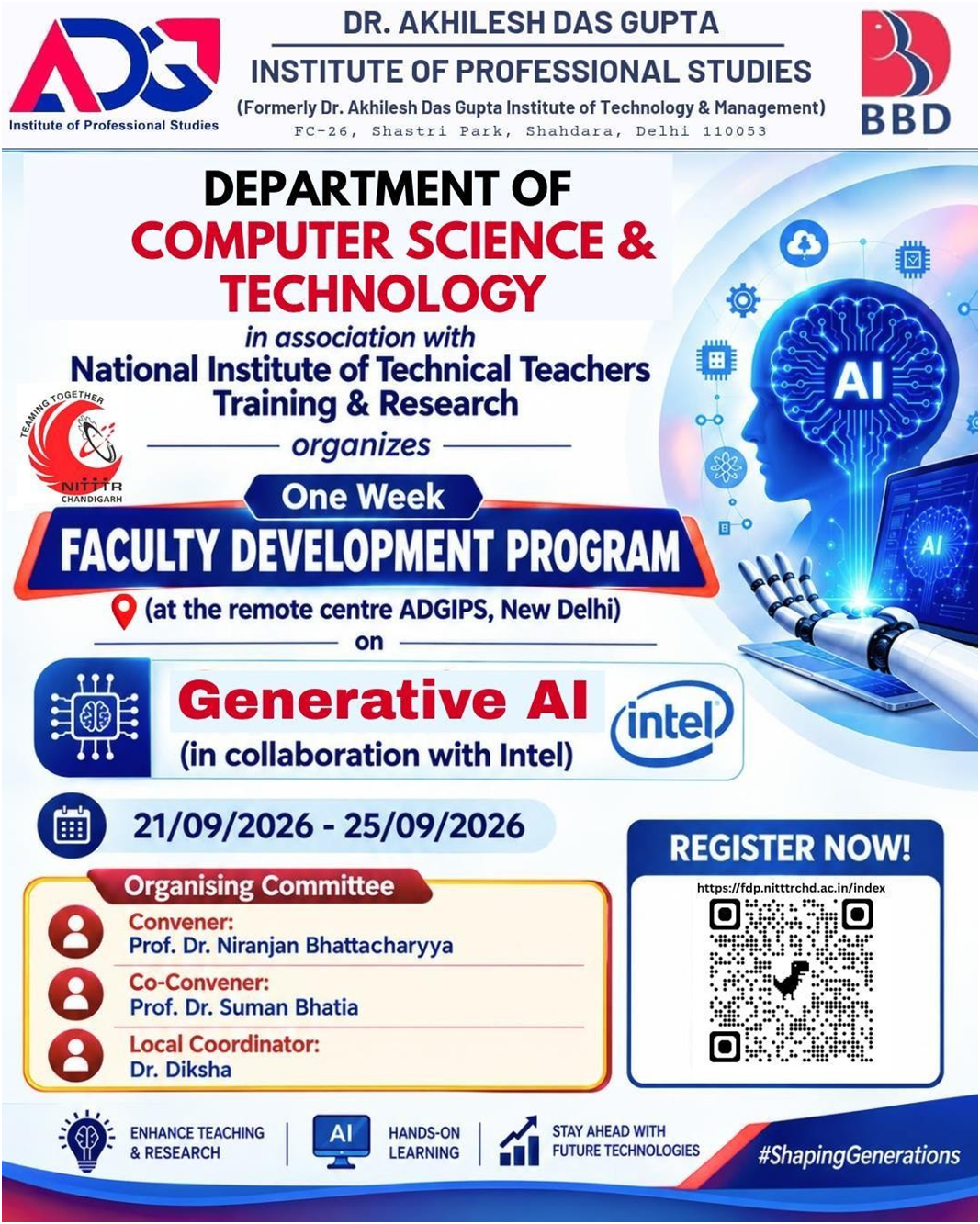
Faculty Development Programme on Generative AI
21–25 September 2026
Dr. Akhilesh Das Gupta Institute of Professional Studies, New Delhi
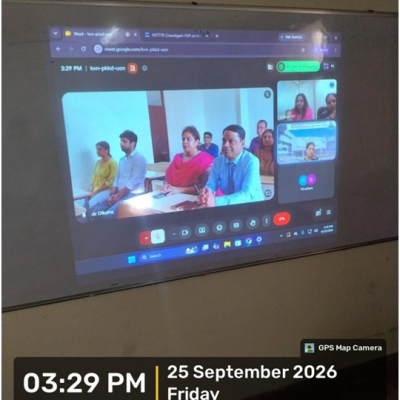
Remote Centre | In Association with NITTTR Chandigarh and Intel
Programme Overview
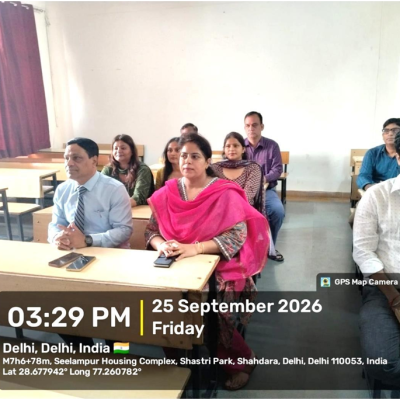
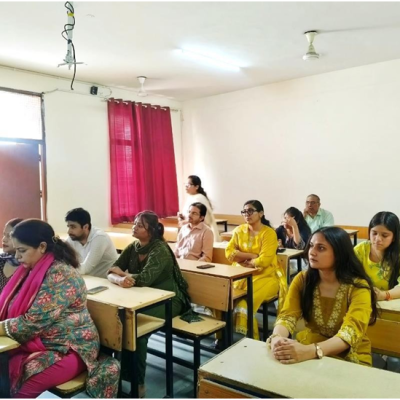
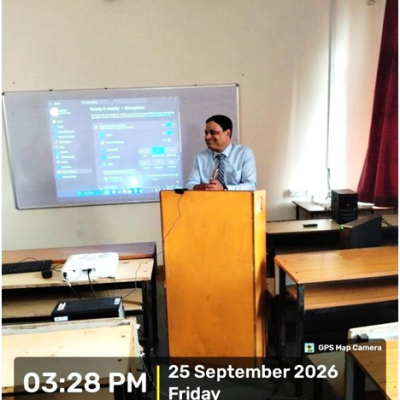
The Department of Computer Science & Technology at Dr. Akhilesh Das Gupta Institute of Professional Studies, New Delhi, organized a five-day Faculty Development Programme (FDP) on Generative Artificial Intelligence (Generative AI) from 21 to 25 September 2026, in association with NITTTR Chandigarh and Intel.
The programme aimed to strengthen the knowledge and professional competencies of faculty members in the rapidly developing field of Generative AI. The sessions covered fundamental concepts, practical applications, prompt engineering, AI tools, Large Language Models (LLMs), model training and optimization, application prototyping, and responsible AI practices.
The five-day programme followed a structured schedule of two sessions each day, providing participants with exposure to both conceptual knowledge and practical applications.
Session II: 2:30 PM – 4:30 PM
Objectives of the Programme
The primary objective of the FDP was to enhance the professional knowledge, teaching skills, and research competencies of faculty members through structured sessions on Generative AI.
- To introduce participants to the fundamentals and applications of Generative AI.
- To develop an understanding of text generation, image generation, and AI agents.
- To provide knowledge of prompt engineering and the practical use of Generative AI tools.
- To explain the evolution, pre-training, fine-tuning, and optimization of Large Language Models.
- To introduce participants to prototyping Generative AI applications.
- To promote ethical, responsible, and effective use of AI in academic and professional settings.
Programme Organizers
Convenor: Prof. (Dr.) Niranjan Bhattacharyya
Co-Convenor: Prof. (Dr.) Suman Bhatia
Local Coordinator: Dr. Diksha
Session-wise Programme Details
Day 1: 21 September 2026
Session I: Programme overview and introduction to Generative AI.
Session II: Applications of Generative AI, demystification of Generative AI models, and AI agents.
Day 2: 22 September 2026
Session I: Fundamentals of text and image generation, along with the ethical considerations of Generative AI.
Session II: Prompt engineering and its role in obtaining effective outputs from Generative AI systems.
Day 3: 23 September 2026
Session I: Evolution and development of Large Language Models (LLMs).
Session II: Hands-on exposure to Generative AI tools and their practical applications.
Day 4: 24 September 2026
Session I: Pre-training and fine-tuning of Generative AI models.
Session II: Model optimization and practical activities using Generative AI.
Day 5: 25 September 2026
Session I: Prototyping Generative AI applications and understanding LLM alignment.
Session II: Responsible use of Generative AI, sharing implementation best practices, and closing remarks.
Key Takeaways
- Understanding the fundamental concepts and applications of Generative AI.
- Knowledge of text and image generation and the ethical issues associated with AI-generated content.
- Understanding prompt engineering techniques for effective interaction with Generative AI tools.
- Awareness of the evolution and practical applications of Large Language Models.
- Conceptual understanding of pre-training, fine-tuning, and model optimization.
- Exposure to AI application prototyping, model alignment, and responsible implementation.
Programme Outcomes
The FDP provided participants with a structured understanding of Generative AI, from basic concepts to practical applications and AI agents. Participants gained knowledge of text and image generation, prompt engineering, and the use of Generative AI tools in different professional contexts.
The sessions also introduced the evolution of LLMs and the concepts of pre-training, fine-tuning, and model optimization. Participants developed awareness of application prototyping, LLM alignment, and responsible AI practices.
The final session encouraged participants to share implementation experiences and best practices. The learning gained through the programme can support improvements in teaching methods, academic activities, research, and other professional applications.
Beneficiaries
A total of 16 participants, comprising faculty members and academic professionals, benefited from the programme. They gained conceptual knowledge and practical exposure to Generative AI, prompt engineering, LLMs, AI tools, model training and optimization, application prototyping, and responsible implementation.
Students are also expected to benefit indirectly as faculty members apply their learning to develop more engaging, innovative, technology-enabled, and student-centred learning experiences.
Programme Learning Summary
The programme followed a progressive learning approach, moving from foundational concepts to practical applications and responsible implementation. This structure helped participants develop a broader understanding of Generative AI and its potential use in academic and professional environments.
Department of Computer Science & Technology
Dr. Akhilesh Das Gupta Institute of Professional Studies, New Delhi